Categories Blog

The Aged and Aging Community. Why They Need Us Now More Than Ever!

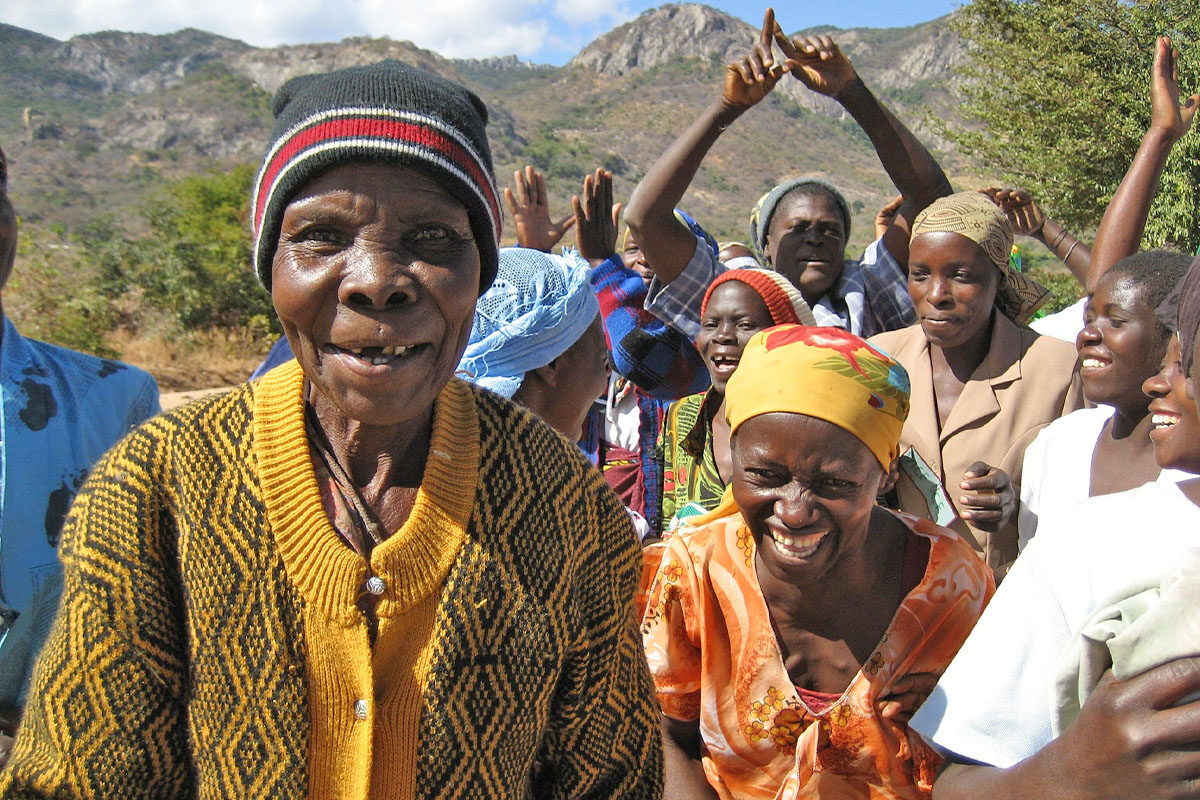
The aging face numerous unfamiliar challenges. Most of them have a number of worries such as; “What will I do now that I am retired?” “Will my pension money run out?” “Will I survive this chronic disease?” I feel lonely and neglected” These and many more real issues wear them down and consequently lead to additional mental health issues. 

Kenya and generally Sub-Saharan Africa have the lowest proportion of people aged 60 years and older. In Kenya particularly the percentage of men and women aged above 60 is about 3.9% of the entire population. Unfortunately, this means that they are greatly marginalized in terms of resource distribution.

Kenya has high rates of growth for this demographic albeit with the current low numbers. This means that interventions need to be put in place to be able to meet the very large youth population who will inevitably be transitioning to the over 60 groups. So, what can be done to help those over 60 effectively navigate these unchartered waters? These can broadly be categorized into physical, mental, social, and economic. 

One of the main and arguably most pertinent concerns the aging has concerned their physical health. At 60, most of the poor habits fostered over the years begin to manifest as chronic diseases. A long-time alcohol drinker for instance may begin to have liver cirrhosis and failure consequently. Given that the body is weak and frail at this point it is unable to effectively contain most of these diseases. As a result, most of them suffer from hypertension, diabetes, cancer, and heart diseases just to mention a few. Particular preventative measures are known for specific conditions but as a general rule proper nutrition, appropriate physical exercise, and adequate rest greatly alleviate most physical and mental conditions. 

The over 60 must ensure they get a balanced diet with emphasis on vitamins and minerals to help boost their immune system. Older women, for instance, particularly need a good supply of vitamin B12, calcium, and vitamin D as these are greatly affected by menopause. It also goes without saying that drinking enough water is an irreducible minimum. 

When it comes to physical exercise most over the 60s become confused and reluctant as most argue their bodies just can’t, which in some instances is true. This is why the over 60s need to engage their doctors and physiotherapists to find out the most appropriate physical activities for them. A simple walk every day can go a long way. Not only does it help their physical bodies but also offers an opportunity to get fresh air and sunshine which is linked to higher levels of serotonin known for boosting our mood. All these concurrently help improve your mental health.  

Most people are aware of the need to have adequate rest every day, but few have appropriate tools for it. As older people suffer neck and back pains, they require special beds and mattresses to counter this. Unfortunately, most are either ignorant of this or can’t afford it which leads us to the economic challenges they face.  

The over 60 are advised to have regular check-ups to ensure good health. At the mention of this most will complain they have no time or do not know where to find these services. 

Categories Blog

Alzheimer’s Disease

Aging comes with its fair share of good and bad; cognitive decline being one the characteristics that falls in the latter category. While communicable diseases have been a common struggle for health systems in Africa, recent studies highlight the fact that in the coming days the prevalence for Alzheimer’s disease in sub-Saharan Africa is anticipated to rise to 7.2% of population above the age of 60 years. In America it is estimated that there are 6 million people living with Alzheimer’s disease and the number is expected to double by 2050. In the era of the COVID 19 pandemic there has been a 16% increase in deaths attributed to Alzheimer’s disease and other dementias.

Alzheimer’s disease is a degenerative brain condition characterized primarily by memory loss and confusion. Cognitive features such as difficulty thinking, delusions, disorientation, forgetfulness and inability to create new memories are a common characteristic. While cognitive features present the most common symptoms, there is an array of behavioral symptoms that present themselves in persons suffering from Alzheimer’s. Aggression, Wandering, Irritability, difficulty with skilled movement, Discontentment and loneliness are among the other symptoms. This group of patients can also present with depression, hallucinations or paranoia.

With knowledge of the above signs and symptoms, early recognition of Alzheimer’s is important in ensuring the patient receives care and the progression of disease is slowed down. There are seven major steps in the progression of Alzheimer’s disease; Normal Behavior, Mild changes, Mild decline, Moderate decline, moderately severe decline, severe decline and Very Severe decline. The goal is to recognize and intervene before the patient gets to the stages of decline of function. However, it is important to know that medical interventions can be initiated at any stage of disease. The primary goal to ensure the patient has quality of living and to reduce poor outcomes due to other associated diseases.

There is hope for those with Alzheimer’s disease. Diagnosis and Treatment initiated by a doctor is essential since different types of medication are useful at different stages of the disease. The core of treatment is nursing care, patients and their families require assistance to ensure that there is an understanding of what the patient needs and the progression of disease. Nursing care is essential in preventing and caring for the patient in the event of any physical harm as well ensuring there is compliance to medication. A nurse plays a key role in the psychosocial support to the family of person’s living with Alzheimer’s.

Categories Blog

How Much Do You Know About Your Kidneys?

As of 2016, Children and Adolescents constituted 5% of the patients with end-stage kidney disease (ESKD). Some of the causes of kidney diseases in young people include: 

  • Kidney infection 
  • Blocked urinary tract 
  • High blood sugar 
  • Polycystic Kidney Disease 

It is not common to meet a teenager who is suffering from Diabetes and Hypertension but times have changed. Unhealthy eating habits are a big contributor to young adults getting diagnosed with Diabetes and Hypertension which eventually leads to Kidney diseases. 

Some of the early signs of kidney disease include:

  • Abdominal swelling and pain 
  • Facial puffiness
  • Bilateral lower limb swelling 
  • High blood pressure 
  • Diabetes 

These among others are consistent with the early warning signs of Kidney disease. Other common signs include frequent severe headaches, Unpleasant-smelling urine which can be cloudy or dark brown. Some of the interventions done include Dialysis. This is not a strange term to most people. This is simply where a dialysis machine cleans and purifies your blood to maintain a balance of electrolytes.  

There are two types of Dialysis, Peritoneal, and Hemodialysis. The only difference between the two is where the blood is cleaned from. In peritoneal, the blood is cleaned inside your body whereby fluid is put in your abdomen to absorb waste from the blood. In hemodialysis, a dialysis machine is used to clean the blood outside your body.  

Some other interventions done can be kidney/renal transplants. This is where a suitable donor is identified to donate a kidney to a patient. Some studies have shown however that Young people have a high likelihood of transplant failure and return to dialysis. Some of the factors contributing to this include rejection, Polyomavirus nephropathy, and glomerulonephritis, and missed appointments to urologists for Kidney Functions Tests. 

Finally, what is to be done to reduce the number of cases we encounter in young people? Healthy and proper hydration, being fit and exercising, avoiding the use of alcohol and other recreational drugs. Also, Patient education also has a part to play in preventing Kidney disease. We only live once but let’s do it right and make it count. On this day, I will pose a question to you, how are your kidneys doing? 

Categories Blog

Dementia

We are no having enough conversations about dementia. Could it be because the younger and middle-aged generation imagines that it isn’t their problem? At least not directly. After all, dementia only affects the older people, right? Well, wrong! New statistics from the world Alzheimer report 2015 put the number of people getting this illness at 3 people every second.

And no, it is not an old people’s problem. Dr. Gachui, a Pharmacist and the executive director of Nadhari healthcare Kenya shares that she has had dementia patients who are as young as 30. Dr. Gachui gives us a look into what dementia really looks like;

What is dementia?

It is an umbrella term used to describe a wide range of symptoms associated with a decline in memory and thinking. The symptoms include memory loss, getting confused in unfamiliar surroundings, depression, and a change in personality, difficulty doing tasks that require planning, difficulty finding the right words, becoming slower in physical movements and visual hallucinations. Later dementia comes with incontinence, weight loss, mobility problems and communication problems.

What causes it?

It can come about due to a wide range of reasons. Reversible dementia which is about 20 percent of all dementia cases can be caused by drugs, physical trauma, nutritional deficiencies, endocrine disorders, alcohol and emotional traumas. The leading cause of irreversible dementia is Alzheimer’s. It can also be caused by Parkinson disease or Lewy body.

Who does it afflict?

Contrary to popular belief, dementia is not age selective. While the older generation reports more cases of dementia arising from Alzheimer’s, there are dementia patients in Kenya in their early and mid-thirties. Dementia interferes with a patient’s ability to perform everyday activities making a patient need an all-round caregiver. This makes dementia everyone’s problem.

People with a family history of this illness, those with mild cognitive impairment, low levels of education and those who have had a traumatic brain injury are at a higher risk.

What is the cure?

Unfortunately, there is no cure for this illness. There is no means of slowing down its progression either. The medication available for dementia only serves to make the symptoms less severe.

How can you handle it as a family?

Imagine that in the midst of juggling work and your young family, your parent or your parent in-law gets diagnosed with dementia.

What then?

Dr. Gachui stresses that before looking at the care options that a family has, it is important that all family members are trained on care for dementia patients even if they do not live with the patient. At the moment, there is the virtual dementia tour available for caregivers in Kenya today. A caregiver is put in a state of the mental health for eight minutes to get a feel of a day in the life of the patient. Having a feel of it helps them relate with patients better.

The disease stage is what determines the care options for your patient. No one type of option can be said to be best for a dementia patient. Dr. Gachui, however, recommends home care in surroundings that the patient is familiar with. This includes hiring a caregiver at home to take care of the patient.

Categories Masonry

Using anthrax to fight cancer effectively

I neglect my talents

Far far away, behind the word mountains, far from the countries Vokalia and Consonantia, there live the blind texts. Separated they live in Bookmarksgrove right at the coast of the Semantics, a large language ocean. A small river named Duden flows by their place and supplies it with the necessary regelialia. It is a paradisematic country, in which roasted parts of sentences fly into your mouth. Even the all-powerful Pointing has no control about the blind texts it is an almost unorthographic life.

Read This :   New Law Article

Far far away, behind the word mountains, far from the countries Vokalia and Consonantia, there live the blind texts. Separated they live in Bookmarksgrove right at the coast of the Semantics, a large language ocean. A small river named Duden flows by their place and supplies it with the necessary regelialia. It is a paradisematic country in which roasted parts of sentences fly into your mouth. Even the all-powerful Pointing has no control about the blind texts it is an almost unorthographic life One day however a small line.

  1. Impenetrable foliage of my trees, and but a few stray gleams.
  2. A wonderful serenity has taken possession of my entire soul.
  3. I should be incapable of drawing a single stroke at the present moment.

I am so happy, my dear friend, so absorbed in the exquisite sense of mere tranquil existence, that I neglect my talents. I should be incapable of drawing a single stroke at the present moment and yet.

Far far away, behind the word mountains, far from the countries Vokalia and Consonantia, there live the blind texts. Separated they live in Bookmarks.

  • Impenetrable foliage of my trees, and but a few stray gleams.
  • A wonderful serenity has taken possession of my entire soul.
  • I should be incapable of drawing a single stroke at the present moment. 

Read This :  Traveling in Turkey

  • Impenetrable foliage of my trees, and but a few stray gleams.
  • A wonderful serenity has taken possession of my entire soul.
  • I should be incapable of drawing a single stroke at the present moment.

 The bedding was hardly able to cover it

The bedding was hardly able to cover it and seemed ready to slide off any moment. His many legs, pitifully thin compared with the size of the rest of him, waved about helplessly as he looked.

“What’s happened to me?” he thought. It wasn’t a dream. His room, a proper human” although a little too small, lay peacefully between its four One morning, when Gregor Samsa woke from troubled dreams, he found himself transformed in his bed into a horrible vermin.

He lay on his armour-like back, and if he lifted his head a little he could see his brown belly, slightly domed and divided by arches into stiff sections. Far far away, behind the word mountains, far from the countries Vokalia and Consonantia, there live the blind texts. Separated they live in Bookmarksgrove right at the coast of the Semantics, a large language and ocean. A small river named Duden flows by their place. One morning, when Gregor Samsa woke from troubled dreams, he found himself transformed in his bed into a horrible vermin. He lay on his armour-like back, and if he lifted his head a little he could see his brown belly, slightly domed and divided by arches into stiff sections. The bedding was hardly able to cover it and seemed ready to slide.